

Global memory prices are on the rise, driven by demand for the DRAM (dynamic random access memory) that computers need to function. AI datacenters continue to flourish across the globe, stripping supply from the consumer electronics sector. Prices for build-it-yourself PC parts have risen in step with this, and other sectors have quickly begun to follow. Tesla CEO Elon Musk and Ford's Chief Financial Officer, Sherry House, have warned that segments like automotive and consumer technologies will be the next to suffer a spike in prices as demand continues to surge.
Ford warns prices will rise
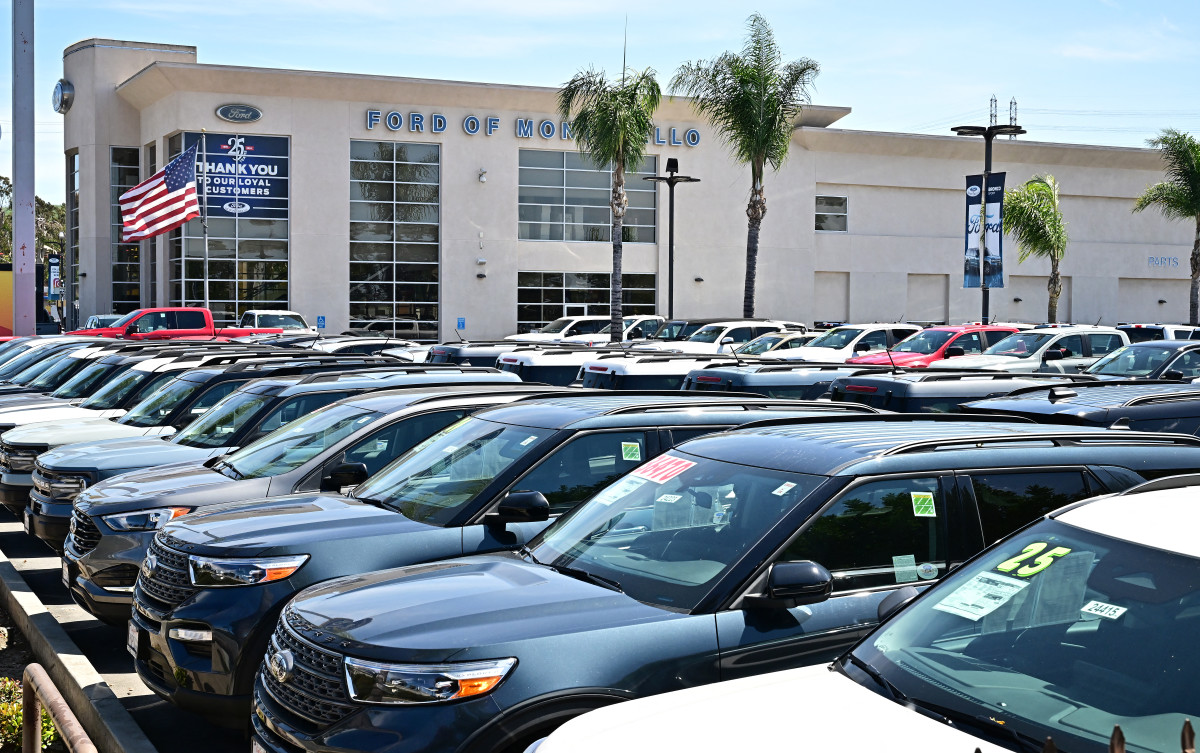
For now, Ford says it is "managing" the problem. That, however, won't last. While speaking at this year's Wolfe Research summit on automotive technology, House was asked about how memory supply was affecting the brand: "So this is something that we’ve been actively managing. We do believe at this point in time that we have access to sufficient supply, but we are seeing pressure on pricing, and that has gone into our forward plan."
House appears to be saying that changes will be coming, just without outright stating it. Ford is also early in sounding the alarm on memory prices, though experts across other industries have been concerned for some time now. Apple CEO Tim Cook has said previously that the demand for DRAM will harm iPhone margins. Meanwhile, Tesla CEO Elon Musk is more candid: "We’ve got two choices: hit the chip wall or make a fab," he told Bloomberg. Musk is talking about a fabrication (fab) plant to build DRAM for its cars.
AI is behind skyrocketing demand for DRAM

Getty Images
AI datacenters are the reason DRAM prices continue to rise. Google (Alphabet) and OpenAI are buying chips at such a staggering rate that brands like NVIDIA have pushed back consumer-facing DRAM production to compensate, making a mountain of money in the process. Experts warn the surge in demand could be worse than the 2020 chip shortage. Tim Archer, chief executive officer of chip equipment supplier Lam Research Corp., said: "What is ahead of us between now and the end of this decade, in terms of demand, is bigger than anything we’ve seen in the past, and, in fact, will overwhelm all other sources of demand."
The last time this happened, prices for new cars surged as automakers were forced to pay more for the semiconductors they needed for their tech-laden vehicles, supposing they were able to buy them at all. It had a ripple effect on the market, pushing buyers to used vehicles and driving up prices outside dealers, too. Should it happen again, it will be to much greater effect than the last time around if suppliers like Archer are to be believed.
from Men's Journal https://ift.tt/6Ocaw90
via IFTTT