

Two hundred and forty years ago today, in August 1786, western Massachusetts erupted into one of the most consequential popular uprisings of the early American republic. Known as Shays’ Rebellion, the revolt was driven largely by farmers, including many veterans of the American Revolution, who believed the government they had fought to create was now crushing them with taxes, debt and aggressive legal action.
Massachusetts farmers faced a brutal postwar economy. Hard currency was scarce, taxes were demanded in cash, and indebted farmers struggled to satisfy creditors. Courts ordered property seizures and foreclosures when payments went unpaid.
For veterans who had endured the Revolutionary War, the spectacle was especially bitter: they had risked their lives for independence, yet returned home to financial insecurity and the threat of losing their farms.
Daniel Shays and the Massachusetts Uprising
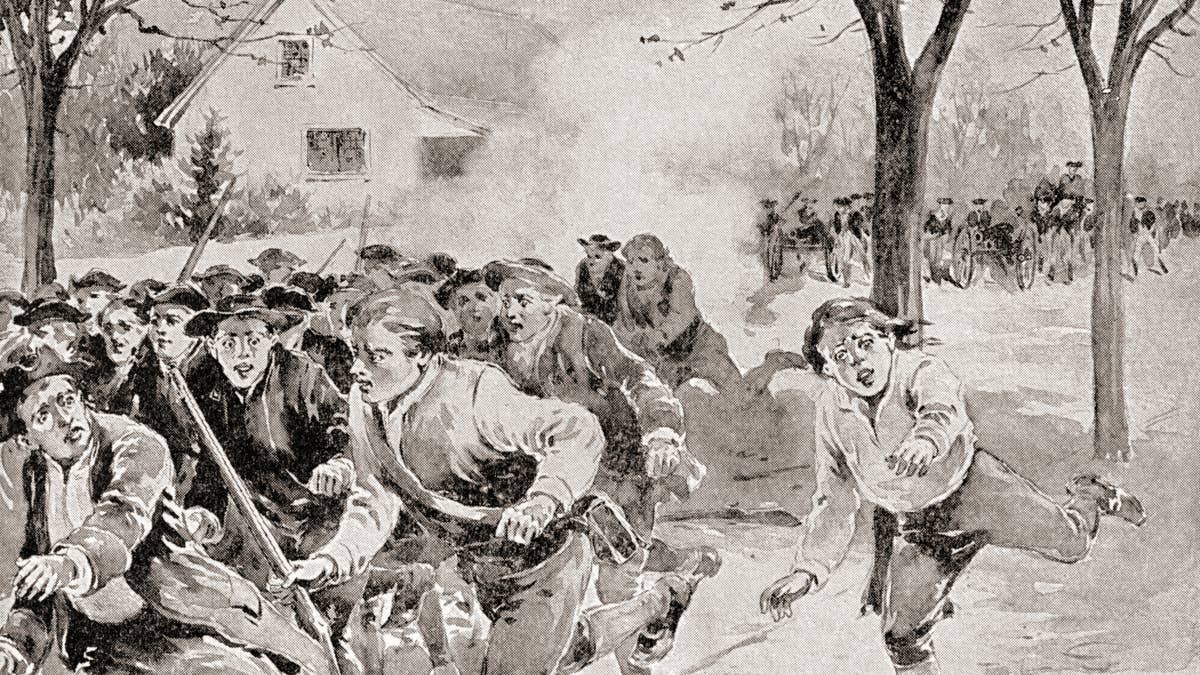
The resistance coalesced around Daniel Shays, a former Continental Army captain and farmer. Protesters disrupted county courts to prevent debt cases and foreclosures from proceeding. Their message was fundamentally economic and political: ordinary citizens wanted relief from crushing debts, lower taxes and a government more responsive to rural communities.
The movement exposed a dangerous weakness in the new nation’s political structure. Under the Articles of Confederation, the national government possessed limited authority, lacked an independent power to tax, and had no standing army capable of responding decisively to an internal crisis.
As the confrontation intensified, Massachusetts authorities eventually raised a privately financed militia to suppress the insurgency. In January 1787, Shays’ forces attacked the federal arsenal at Springfield but were repelled by government troops.
The Rebellion That Helped Reshape America
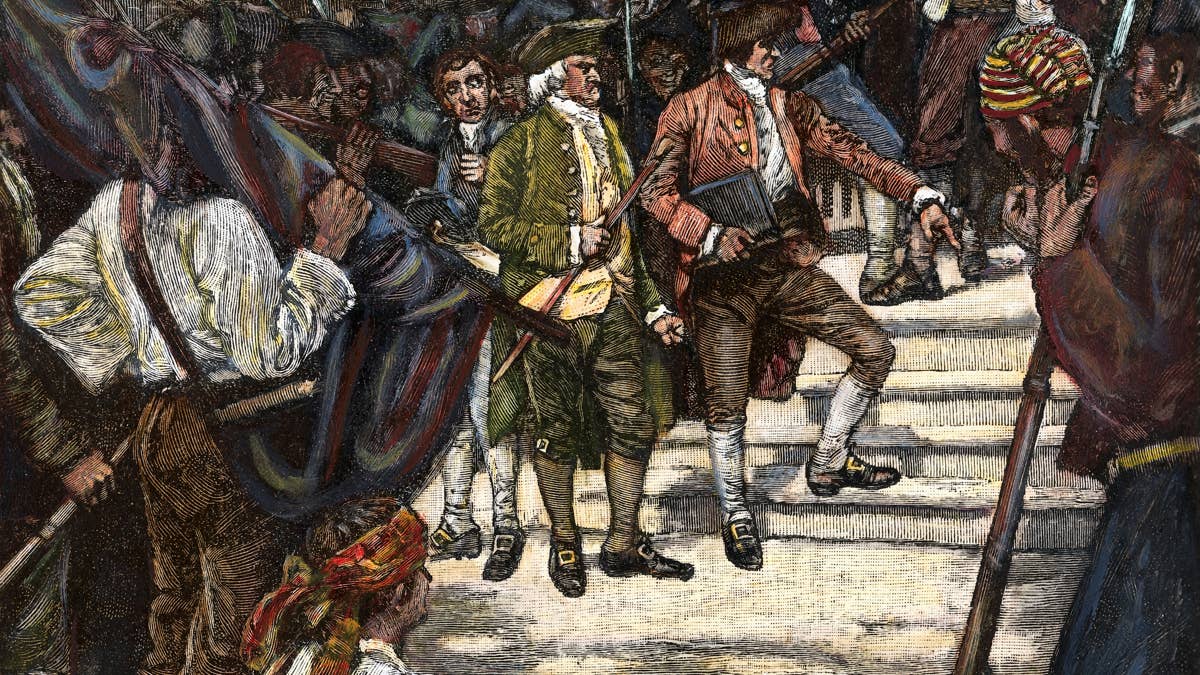
Shays’ Rebellion failed as an armed movement, but its political consequences were enormous. To prominent national leaders, the uprising demonstrated that the Confederation government was too weak to preserve order, protect property and respond effectively to serious domestic unrest.
The rebellion became an important argument for those advocating a stronger federal government. When delegates gathered in Philadelphia in 1787 to draft a new Constitution, memories of Massachusetts’ upheaval were fresh.
The U.S. Constitution ultimately created a substantially stronger federal system, including broader taxing powers and mechanisms for maintaining national security. Shays’ Rebellion therefore occupies a fascinating place in American history: a revolt by struggling farmers that failed on the battlefield but succeeded in forcing America’s political leaders to confront a fundamental question: Could a republic survive if its central government was too weak to govern effectively?
from Men's Journal https://ift.tt/YfGtVAD
via IFTTT