

It’s been more than four years since Elden Ring landed on the PlayStation, Xbox, and PC—that is long enough ago that both the PlayStation 4 and Xbox One had versions of their own. The game was a massive hit for developer FromSoftware, which pioneered the Soulslike genre through its Dark Souls series and games like Bloodborne and Sekiro: Shadows Die Twice.
None of those other titles approached Elden Ring’s popularity, though, so it’s not surprising that even now there is considerable excitement over the new Nintendo Switch 2 port. Dubbed the Tarnished Edition, this version includes 2024’s expansion, Shadow of the Erdtree, a pair of all-new starting classes for your character, and some additional armor sets. It’s priced at $80, so there’s no discount despite the game’s age.
While doing a deep dive into the story and gameplay of a four-year-old title that’s sold over 30 million copies feels unnecessary, here are the broad strokes. Elden Ring is a Soulslike action RPG where you explore a vast open world. The game’s lore was crafted by George R.R. Martin, best known for creating A Game of Thrones, though he did not write the story. Although challenging, Elden Ring allows considerable freedom regarding character builds and progression, which at least makes it more approachable than most of FromSoftware’s other work.
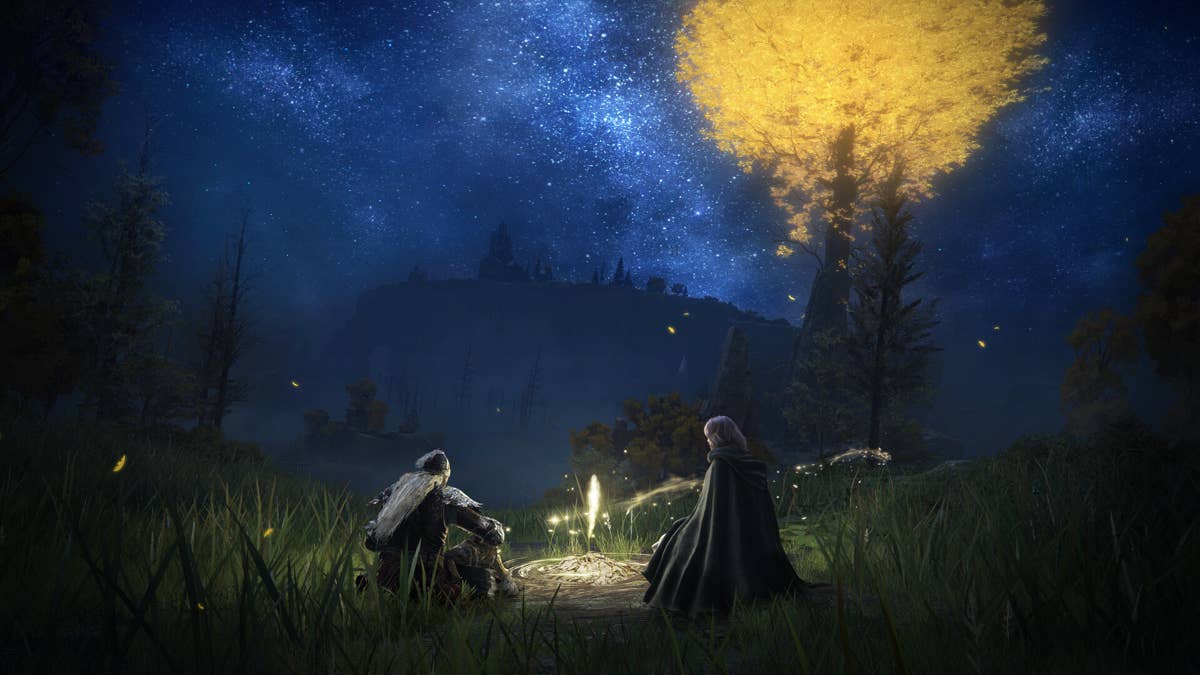
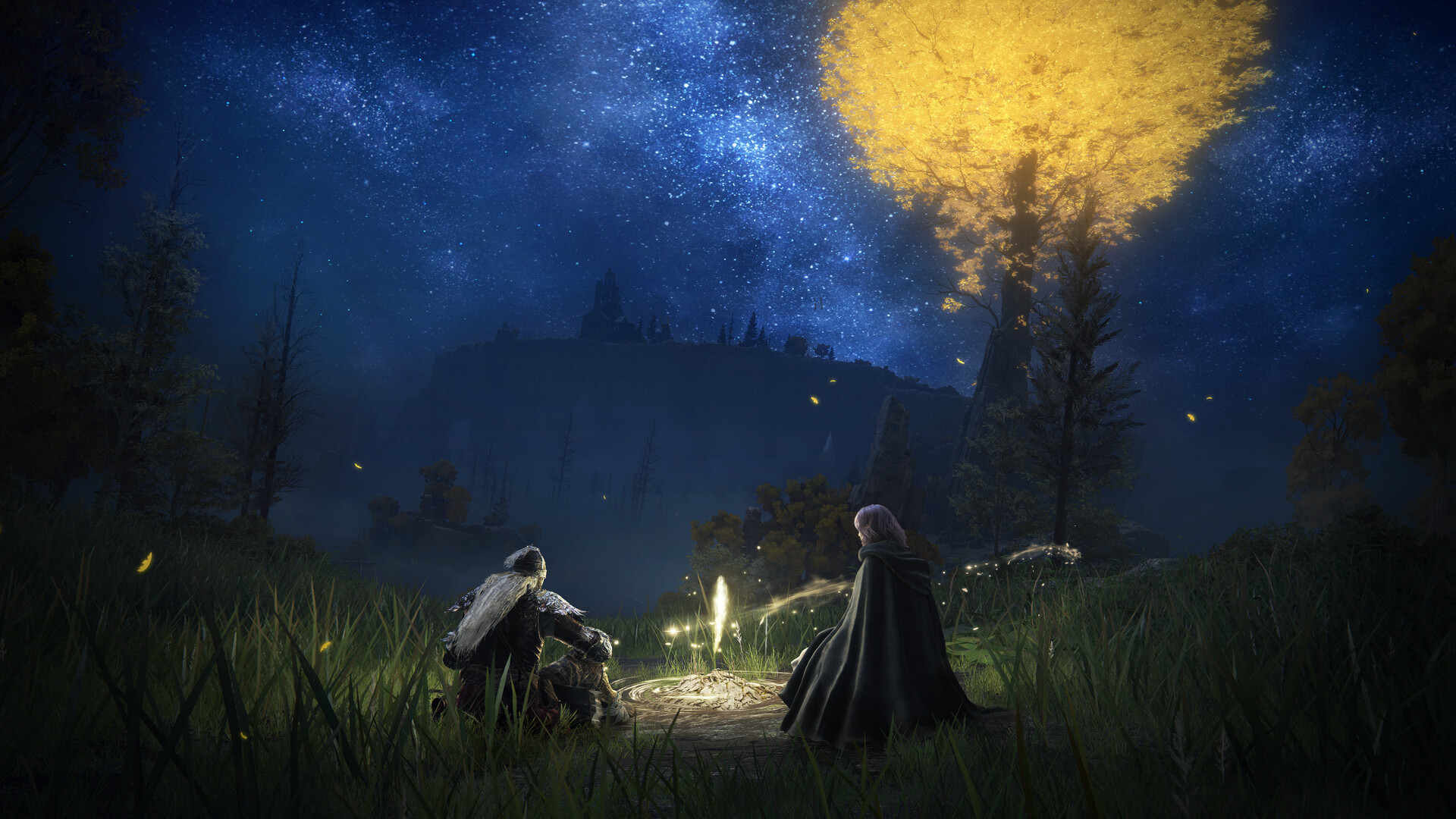
What everyone wants to know, of course, is how it looks. And how does it perform? This is especially true after the port was pushed back from its initial 2025 launch date due to issues with poor frame rates and optimization. On both fronts, I would consider the news to be mostly positive, though considering the game had some issues on the PlayStation 5 Pro when I played it originally, you shouldn’t be expecting miracles.
Elden Ring on the Switch 2 is capped at 40 frames per second. In comparison, the PS5 and Xbox Series X versions shoot for 60. The reality of the Tarnished Edition is that it sits closer to 30 to 35 fps, which puts it above the PS4 and Xbox One versions in terms of performance and closer to the Xbox Series S. How much that will affect someone who has never played the game, I cannot say. I don’t feel like it affected me much, as any timing I’d gotten used to on the PS5 Pro had faded long ago, but make no mistake, Elden Ring demands precision.
In terms of graphics, I was able to compare the docked version to the PS5 Pro on my TV, and the Switch 2 clearly lags. That was always to be expected, though, and much of the difference can be found in the detail work where there’s no tangible hit to the experience. I did notice some textures loading and things like trees popping in when on horseback, but again, these aren’t issues that undermine the core gameplay.
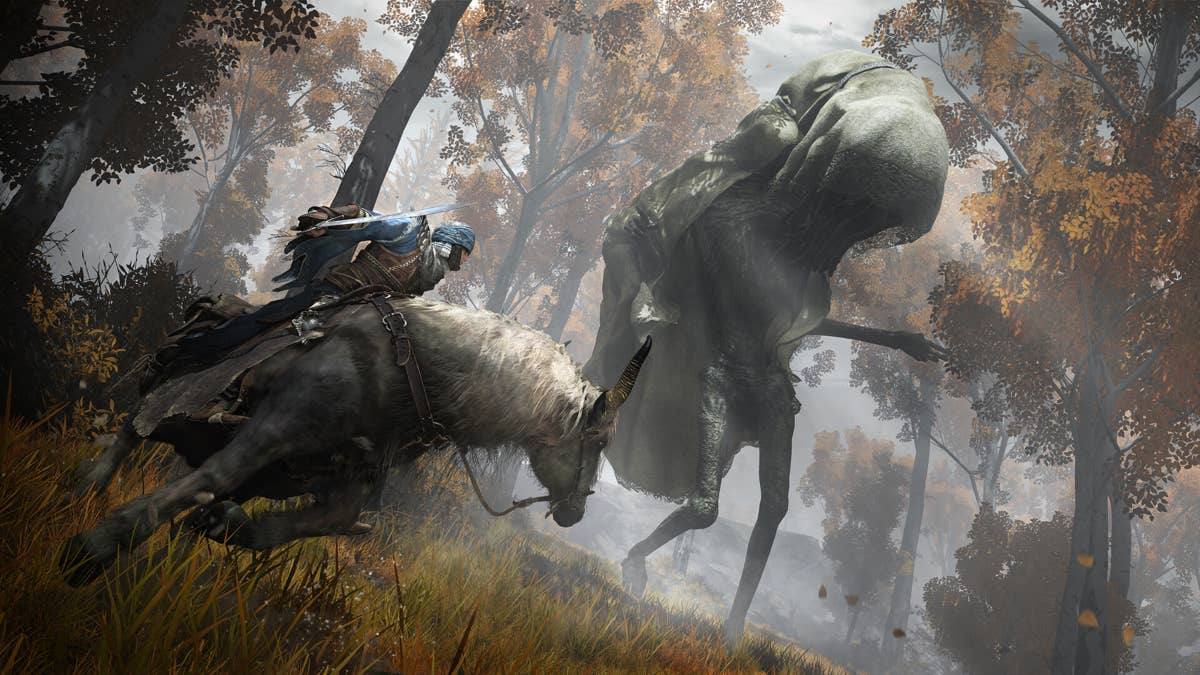
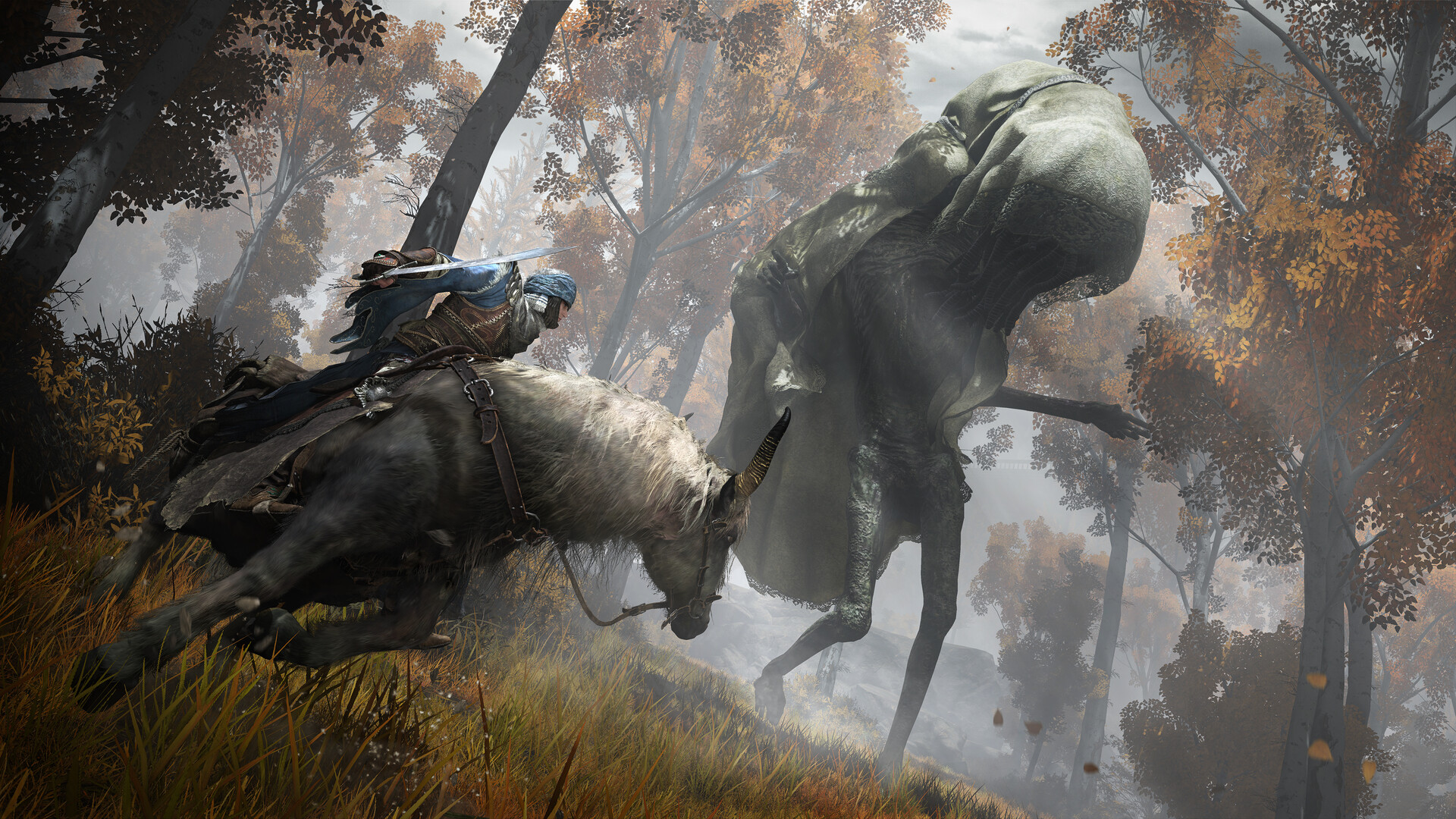
For anyone that already owns the game, the draw here would be the ability to play Elden Ring in handheld mode. While there are some concessions to be made, even in comparison to docked, I didn’t encounter anything that actively detracted from the game. Given the size of the world, it’s possible that some areas will take a bigger hit than others—Shadow of the Erdtree has a much more vertical design, for example—but nothing I saw suggests the handheld version won’t remain fully playable throughout.
As noted, there are some other small additions, including two new starting classes, the Heavy Knight and Idus Knight, as well as four new armor sets and the ability to customize your mount. I’m not sure anything there is a true selling point, but it’s nice that there’s some unique content for potential late adopters.
Final Score (9/10)
One of the best games of this decade is now available for Nintendo Switch 2 owners, and though you can certainly nitpick here and there, Elden Ring is a fully realized and enjoyable experience whether docked or on the go. It’s a premium price for a four-year-old game, but if you’ve never played it or are looking for something to keep you company on a long commute, it’s well worth it.
Related: The Top 10 Games Shown at the September 2026 Nintendo Direct
from Men's Journal https://ift.tt/kd4M0Cp
via IFTTT